Fashion Photography · Bengaluru
Fashion Photographer in Bangalore
Anyone can photograph a garment. The job is photographing the feeling of wearing it. Editorials, designer lookbooks and the actor portfolios that get callbacks — shot with a film-set eye. I'm Yedukrishna Suresh, founder of YKS Productions, shooting cinematic fashion and portraits across Bengaluru and the South Indian film world.
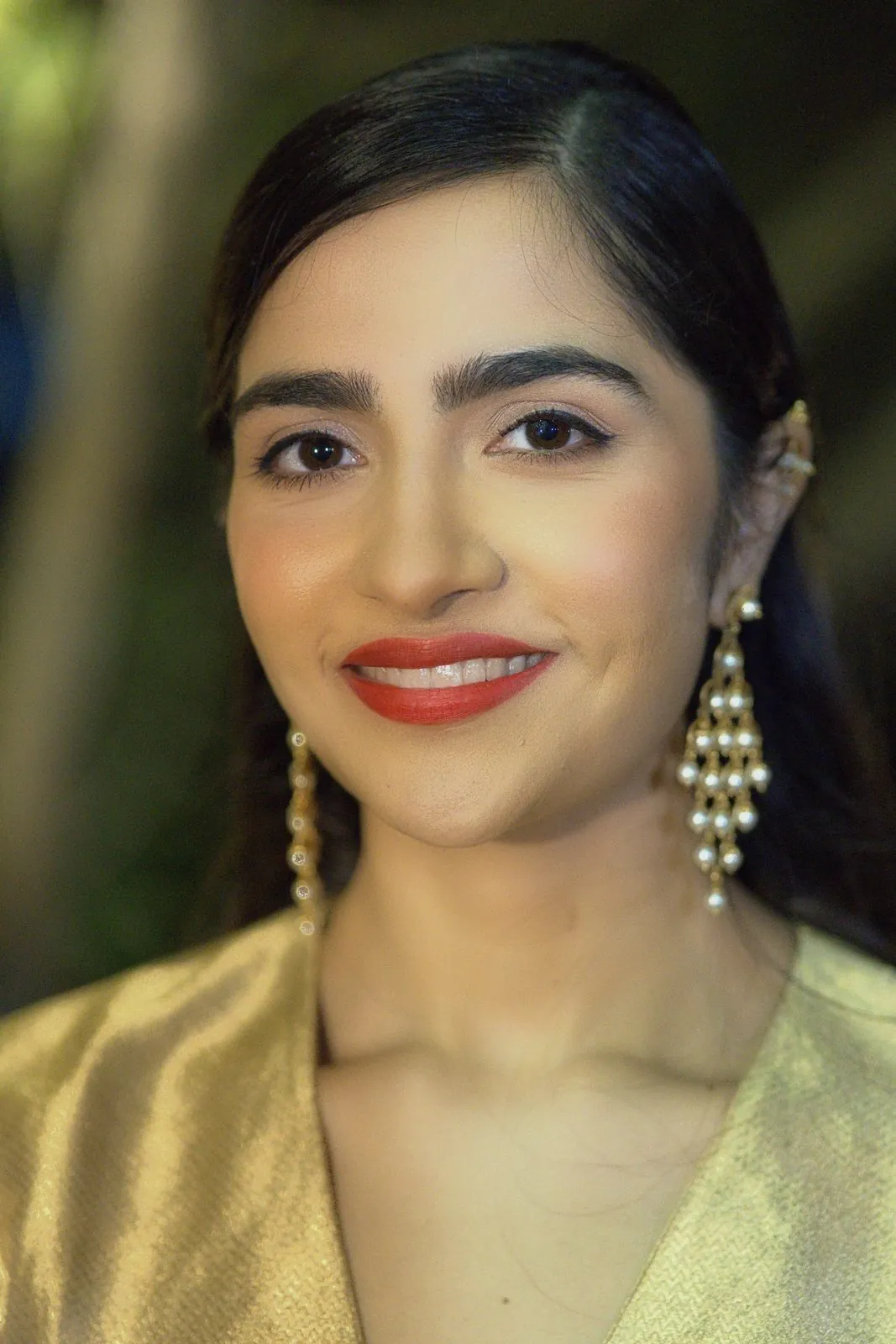
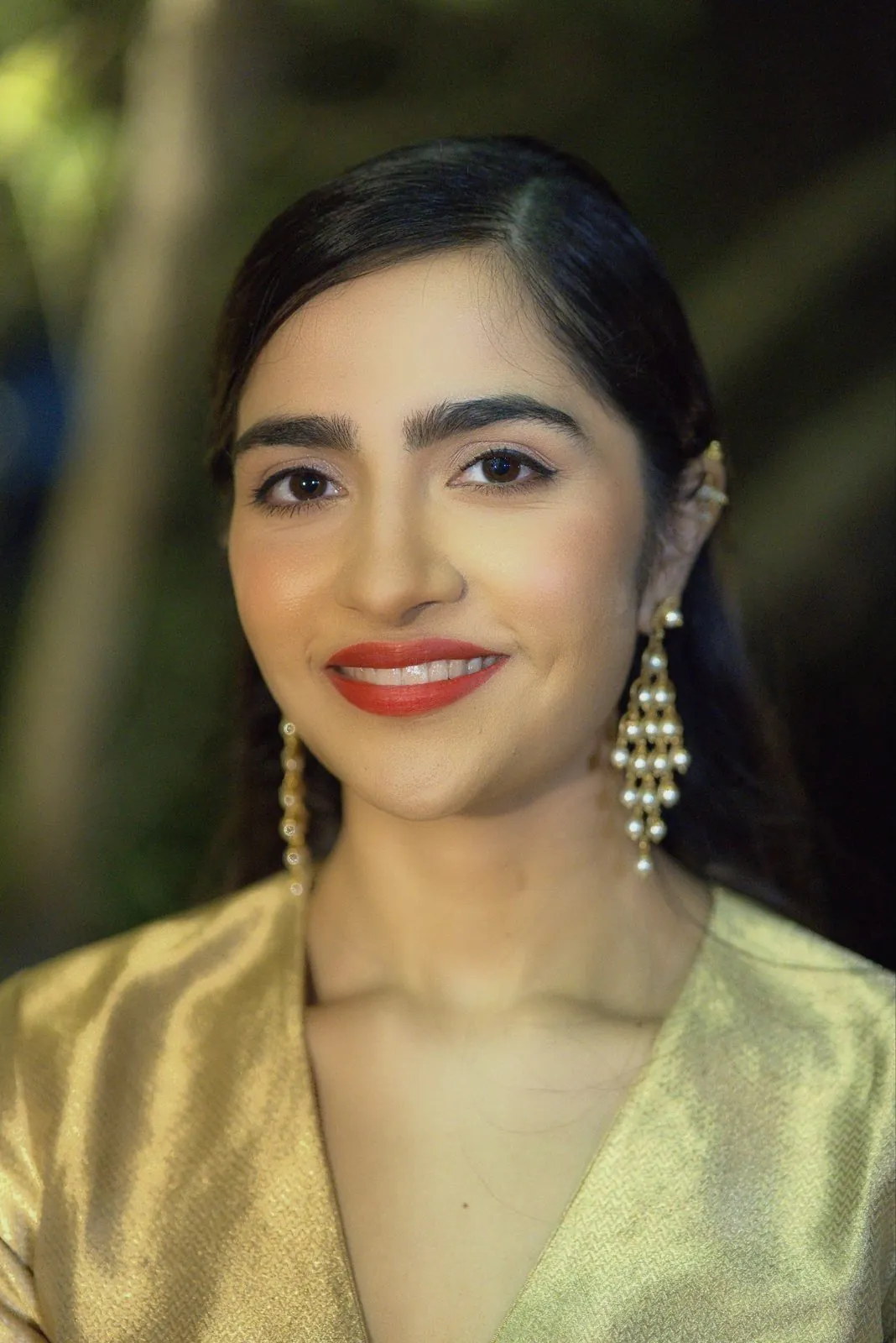
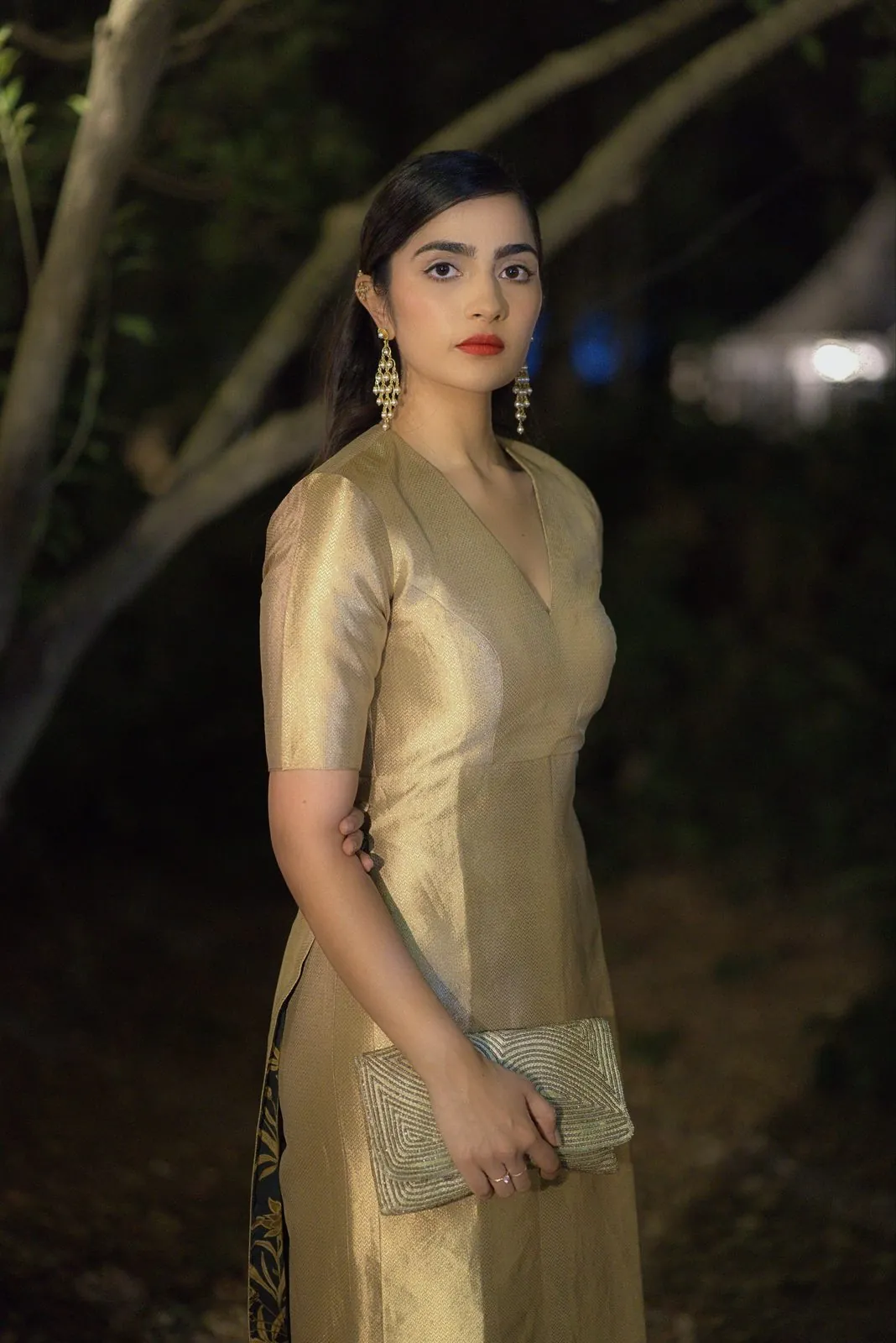
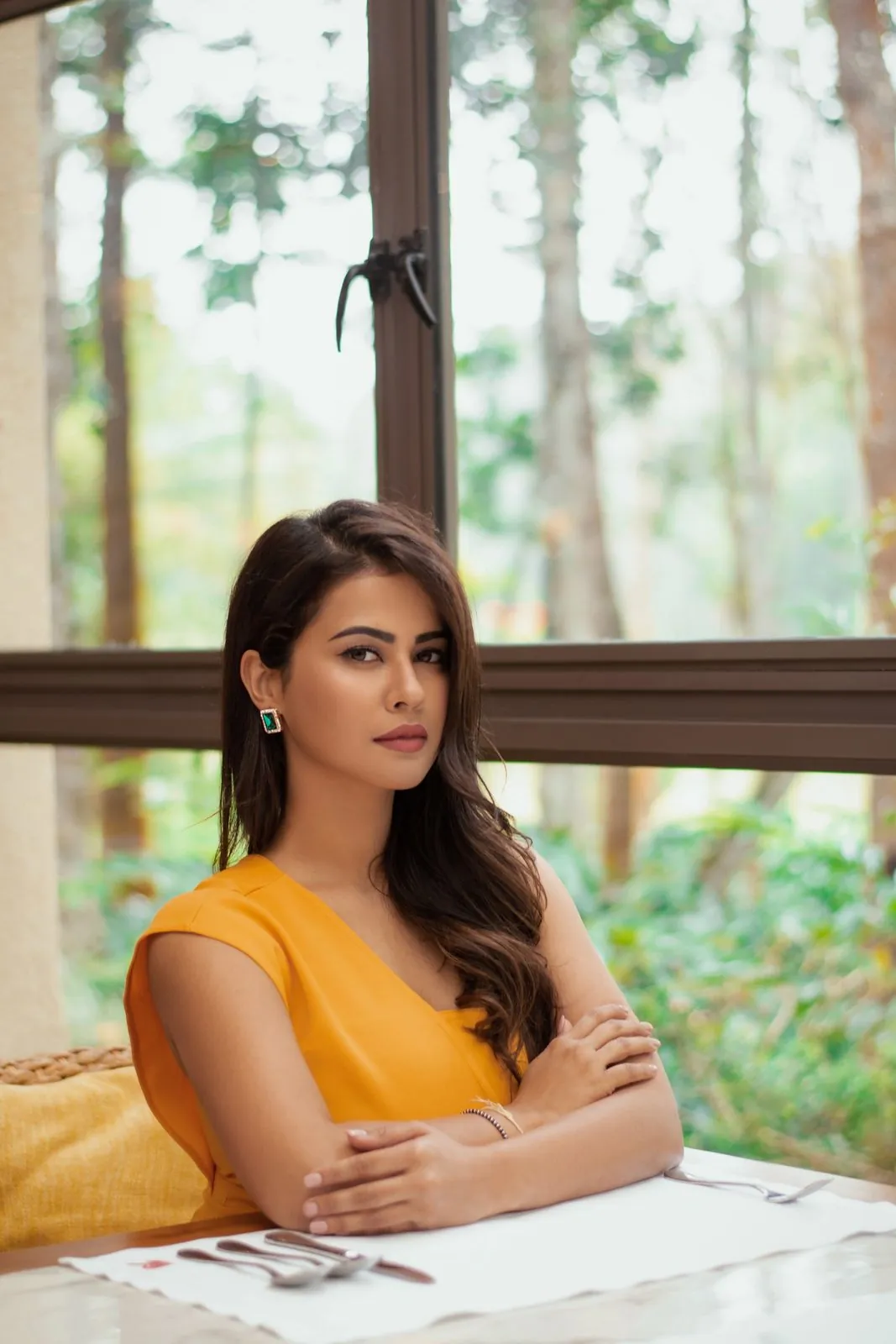
Bengaluru is quietly one of India's most stylish cities — a place of independent designers, startup founders who care how they're seen, and a film industry next door that's always casting. What it doesn't have enough of is fashion photography that feels cinematic rather than commercial. That's the gap I fill.
My background is in cinematography and on-set stills for South Indian cinema — most recently the Malayalam features Soothravakyam and Baby Girl, and portrait work with actors including Rukmini Vasanth and Ashika Ranganath. I bring that same control of light and story to a fashion set in Bangalore, whether it's a designer's new collection, a model building a portfolio, or a founder who wants their personal brand to look like a magazine cover.
01
Recent portraits & editorials
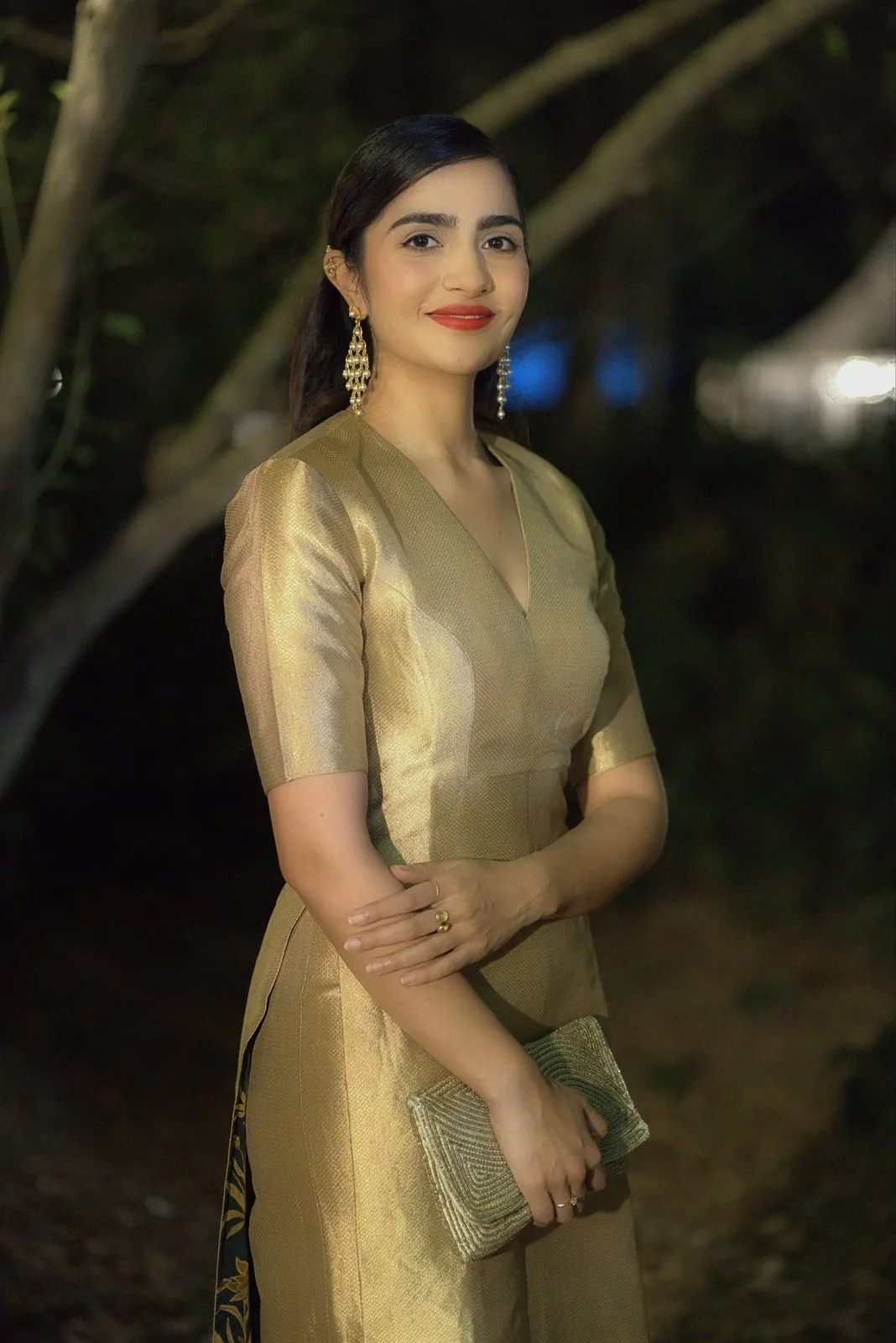
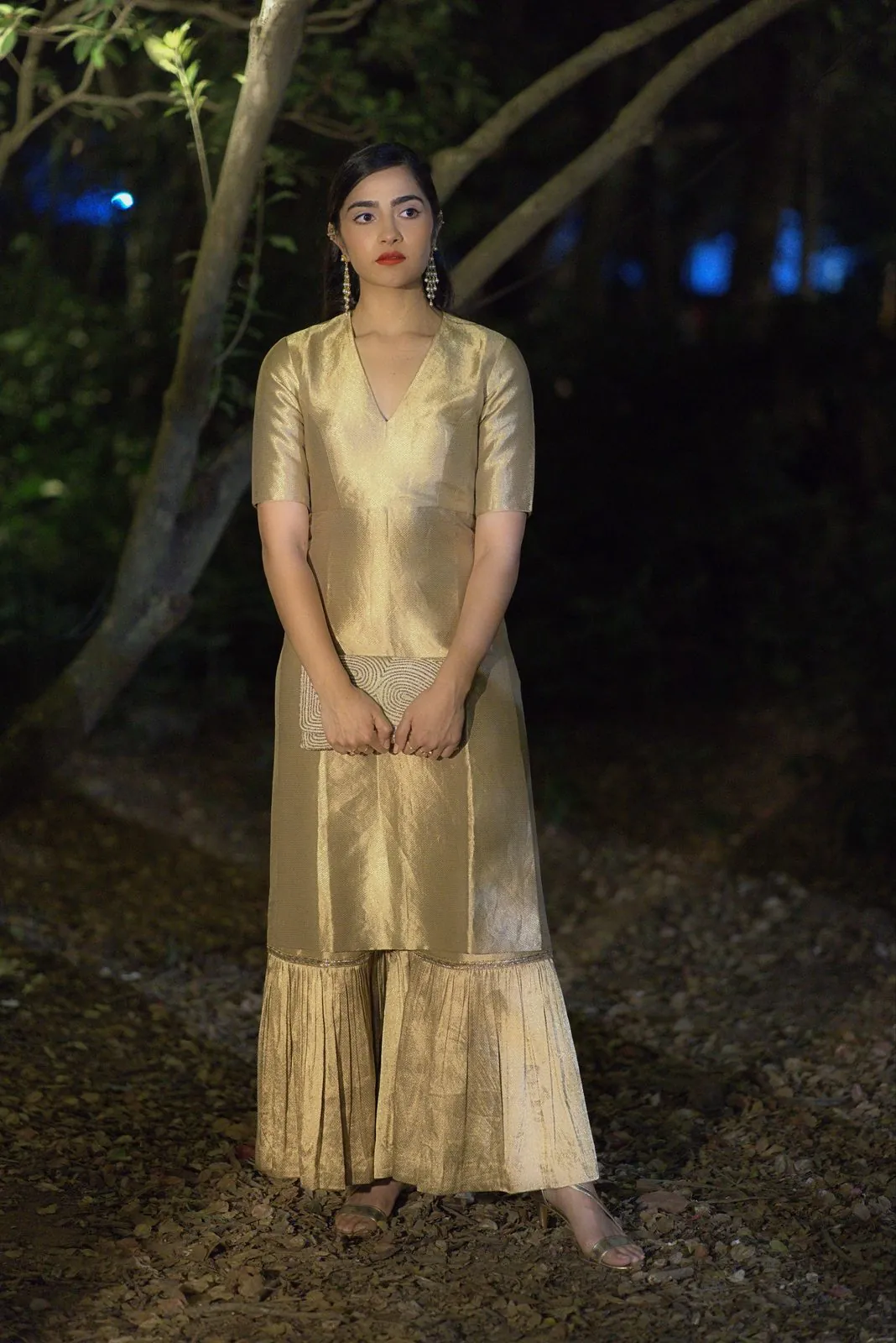
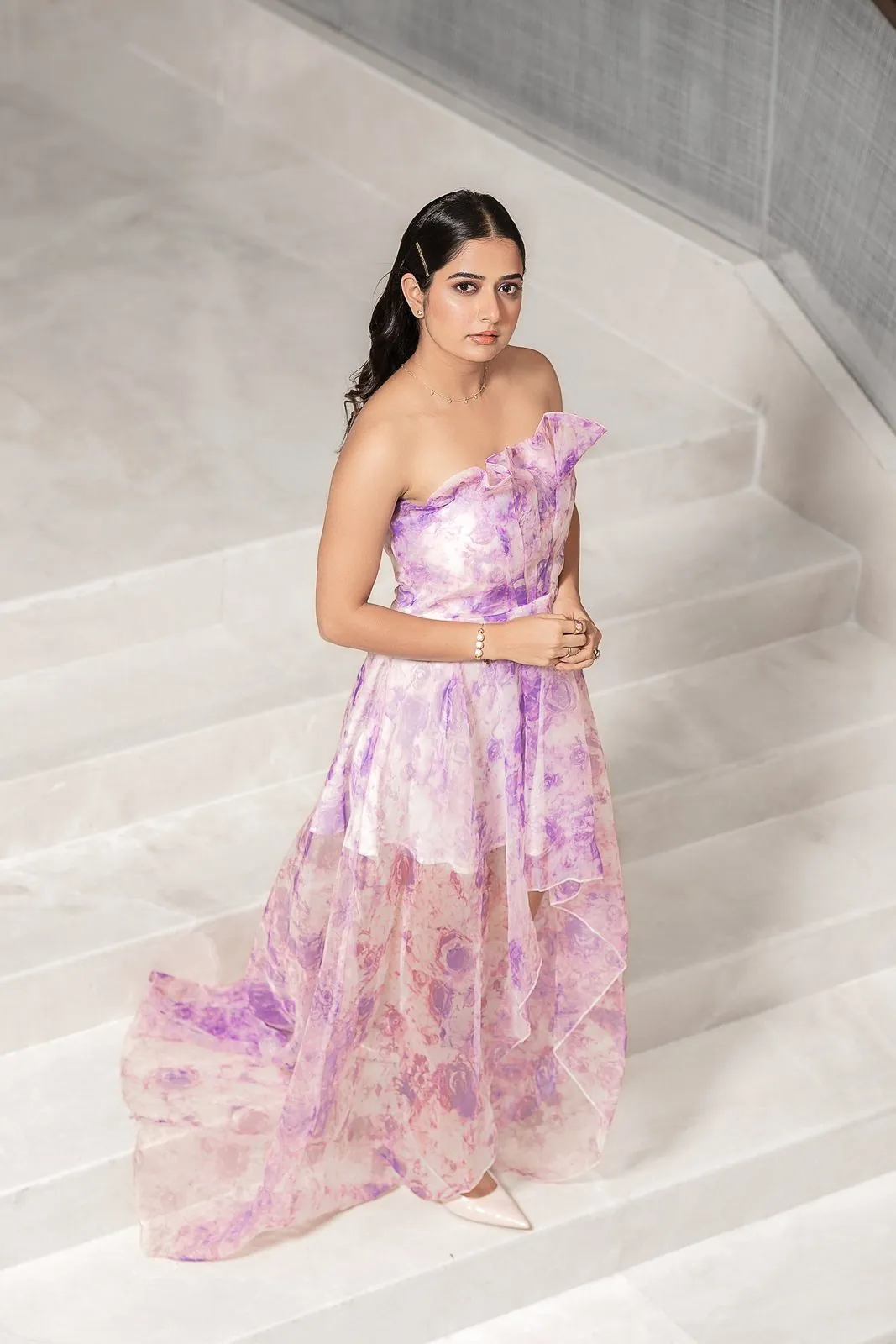
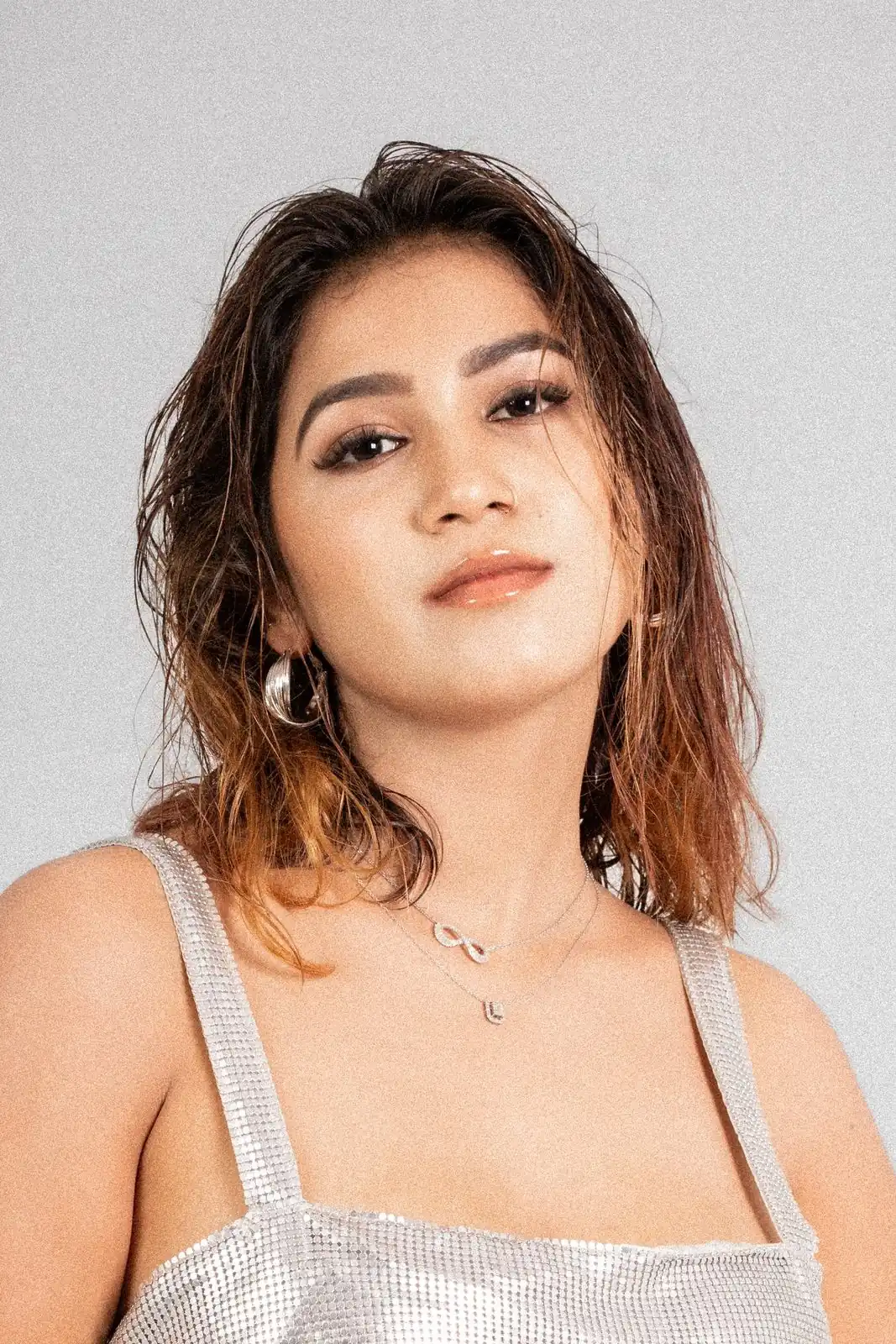
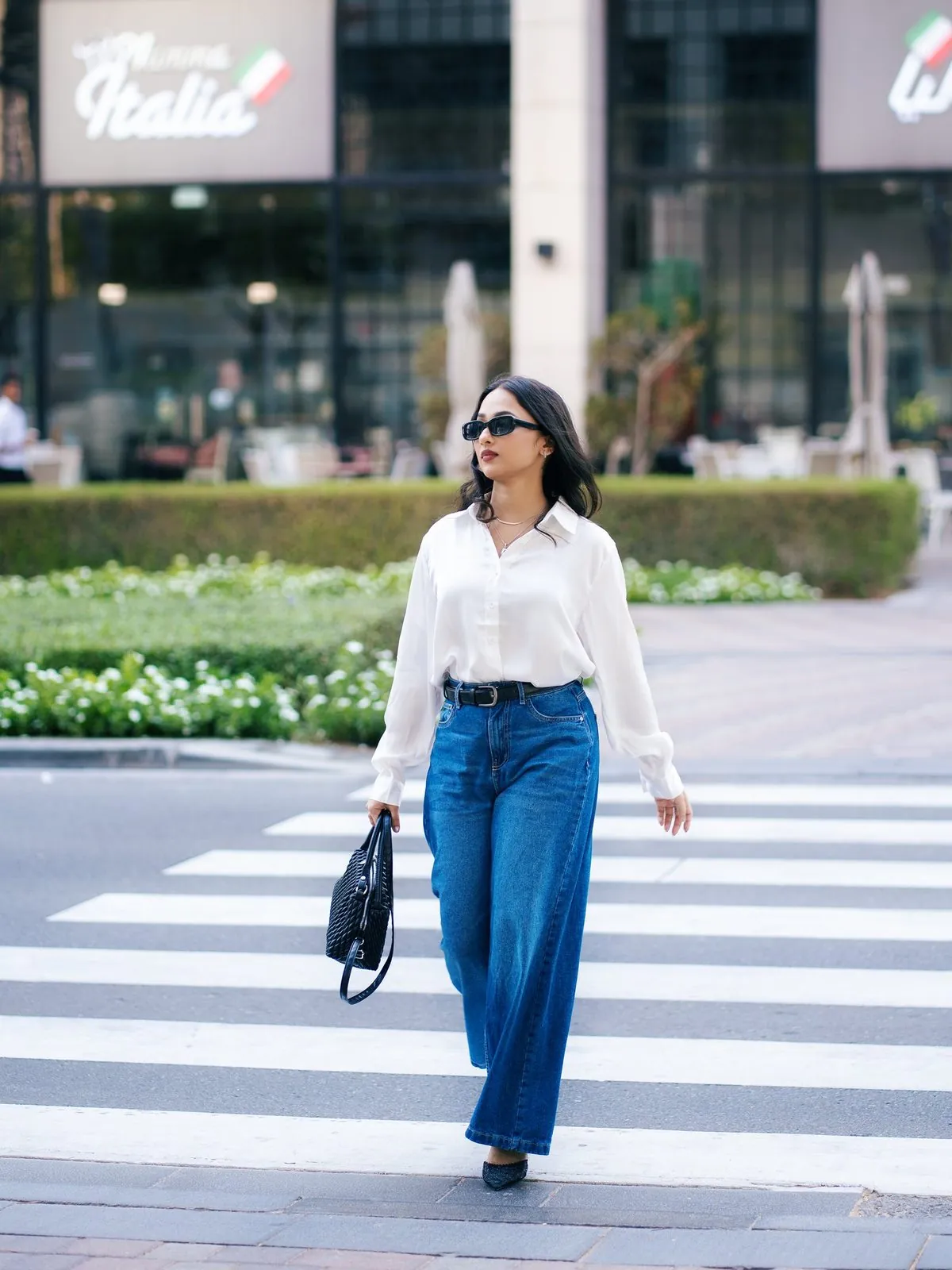
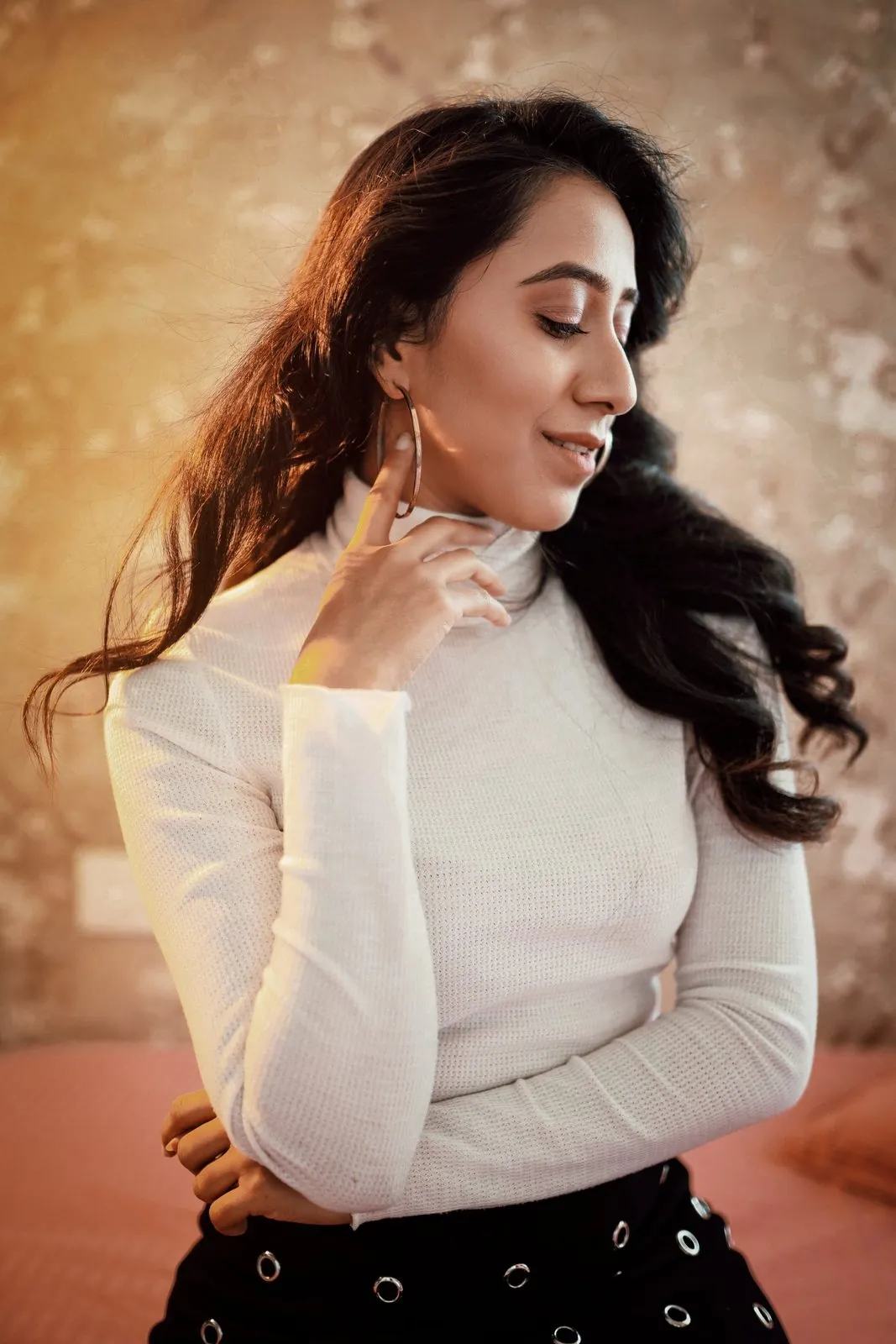
A slice of fashion, actor and portfolio work shot in and around Bengaluru.
02
What I shoot
Every brief is treated like a campaign — from indie designers to actors prepping for casting season.
Editorials & Lookbooks
Story-led fashion sets for Bengaluru designers and boutiques — concept, location and light built around the collection.
Actor & Model Portfolios
Portfolio and comp-card shoots tuned to what South Indian casting directors and agencies actually want to see.
Designer Campaigns
Collection launches and brand campaigns for fashion labels, with matching stills and reels for the full rollout.
Personal Branding
Signature visual identities for founders, creators and professionals in Bangalore who've outgrown the stiff headshot.
Pre-Wedding Fashion
Editorial-styled pre-wedding and couple shoots that feel like a fashion story, not a stock template.
Fashion Reels
Short cinematic fashion films and social reels shot on the same set, same day as the stills.
03
The maths of a catalogue day
Most brands in this city are shooting to sell online, and the only question that really matters is how much of the range gets through in a day.
| Set-up | What it involves | Pace |
|---|---|---|
| Flat lay / ghost mannequin | Garment only, lit once and shot repeatedly | Fastest by a wide margin. A large part of a range can clear in a day |
| On-model, one look | Same styling, same light, straight through the rail | Quick, and the most common way a D2C range is shot |
| On-model, styled changes | Hair, makeup or accessories changing between pieces | Roughly half the pace. The changes cost the time, not the photography |
| Ethnic & bridal | Drapes, pleats, heavy fabrics, jewellery | Slowest of all — a single saree can take as long as several simpler garments |
The practical consequence: if the range is large, group it by set-up rather than by collection. Shooting everything that needs one lighting state before moving to the next is the difference between a comfortable day and an overrun. It is also why an accurate answer to “how many pieces?” is worth more in your first message than any description of the mood.
04
Ethnic, bridal and heavy fabric
A large share of the fashion work in Bangalore is ethnic wear, and it is genuinely harder to photograph than western clothing. Silk behaves differently under light — it throws specular highlights that blow out if the light is hard and goes lifeless if the light is too soft. Zari and heavy embroidery need a light that rakes across them or the work simply vanishes, which for a garment whose value is the work is the worst possible outcome. Deep saturated colours, particularly reds, clip before the rest of the frame does and need watching on the day rather than fixing afterwards.
Then there is drape. A saree or a lehenga is not really photographed as a flat object; it is arranged, and the arranging is most of the job. That is why these shoots run slower and why somebody whose hands know how to set a pleat is worth more on set than an extra light.
None of this is exotic knowledge, but it is the reason ethnic ranges shot by someone who mostly does western catalogue work come back looking flat. If your range is heavy on silk, embroidery or bridal, say so at the brief — it changes the lighting plan, the pace and how the day is built.
05
Shooting across Bengaluru
The city has more range than people expect — I use all of it.
From the independent studios of Indiranagar and Koramangala for controlled, editorial light, to the greenery of Cubbon Park and Lalbagh, the texture of Church Street and the old cantonment, the glass of UB City, and Nandi Hills at sunrise when a shoot needs scale — Bengaluru gives a fashion set genuine variety. I scout the right backdrop for your brief and arrive knowing how each location reads on camera through the day.
06
How a shoot works
Enquiry
Send the brief — collection, mood, deliverables, deadline. I reply with an all-in quote and dates.
Concept
We lock moodboard, location, looks and the creative team so the shoot day runs without surprises.
Shoot day
I direct light, pose and pace on set, capturing stills and motion together so nothing is missed.
Delivery
First selects in 3–5 days, graded finals in 10–14 — print-ready, plus crops for every platform.
07
What moves the number
One all-in figure covering the shoot and delivery — including the team, if you want it handled.
How many pieces
The clearest lever for a catalogue, and the number worth getting right before anything else is discussed.
On-model or not
Flat lay and mannequin are quicker and cheaper. On-model sells better. Most ranges are best served by doing both for different parts of the catalogue.
Casting, hair and styling
Each optional and each quoted inside the one number. Casting can be handled rather than left as a hunt you run yourself.
How finished
Catalogue retouching is per image and volume-priced. Editorial retouching is slower and done frame by frame.
08
Fashion shoot questions
Do you shoot lookbooks and catalogues for D2C brands?
Yes — it is the most common fashion work in Bangalore. A catalogue is shot for clarity and consistency so a customer can judge cut, drape and colour, which is a different discipline from editorial and is priced on volume rather than on concept.
How many garments can we shoot in a day?
It depends entirely on the set-up rather than on the photography. Flat lay and mannequin move fastest, on-model with a single styling is quick, and anything with hair, makeup or accessory changes between pieces runs at roughly half that pace. Ethnic and bridal is slowest, because draping is most of the work.
Do you shoot ethnic and bridal wear?
Yes, and it needs a different lighting plan from western clothing. Silk throws highlights that blow out under hard light, zari and embroidery disappear unless the light rakes across them, and deep reds clip before the rest of the frame. If your range is heavy on those, say so at the brief — it changes the pace and how the day is built.
Can you arrange models, hair and makeup?
Yes. Casting, hair and makeup and styling can all be handled as part of the shoot and quoted inside the one figure, so you are not running three separate searches. If you already have a model booked or a team you like, I work with them instead.
What does a fashion shoot in Bangalore cost?
It is quoted per project rather than from a rate card, because a forty-piece catalogue day and a six-frame editorial are different products. Tell me the number of pieces, whether it is on-model, and what team you need, and you will get one all-in figure covering the shoot and delivery.
Studio or location?
Both, and for catalogue work a controlled studio is usually right — consistency across the range matters more than atmosphere, and a customer comparing two products should not be distracted by two different backgrounds. Editorial and campaign work is where location earns its cost.
How soon do we get the images?
For catalogue work a first batch usually lands within a few days of the shoot, with the full retouched set following depending on volume. Editorial work is slower per frame because the retouching is done individually rather than in a batch.
Do you shoot model portfolios?
Yes. A portfolio is the opposite discipline to a campaign — clean, honest and varied, because an agency needs to see range and the real face rather than the styling. It is worth being clear which of the two you want, because they do not look alike.
Do you travel outside Bangalore?
Yes — across India, and to Dubai regularly, since I work between the two. Travel is quoted inside the same all-in number rather than added afterwards.